
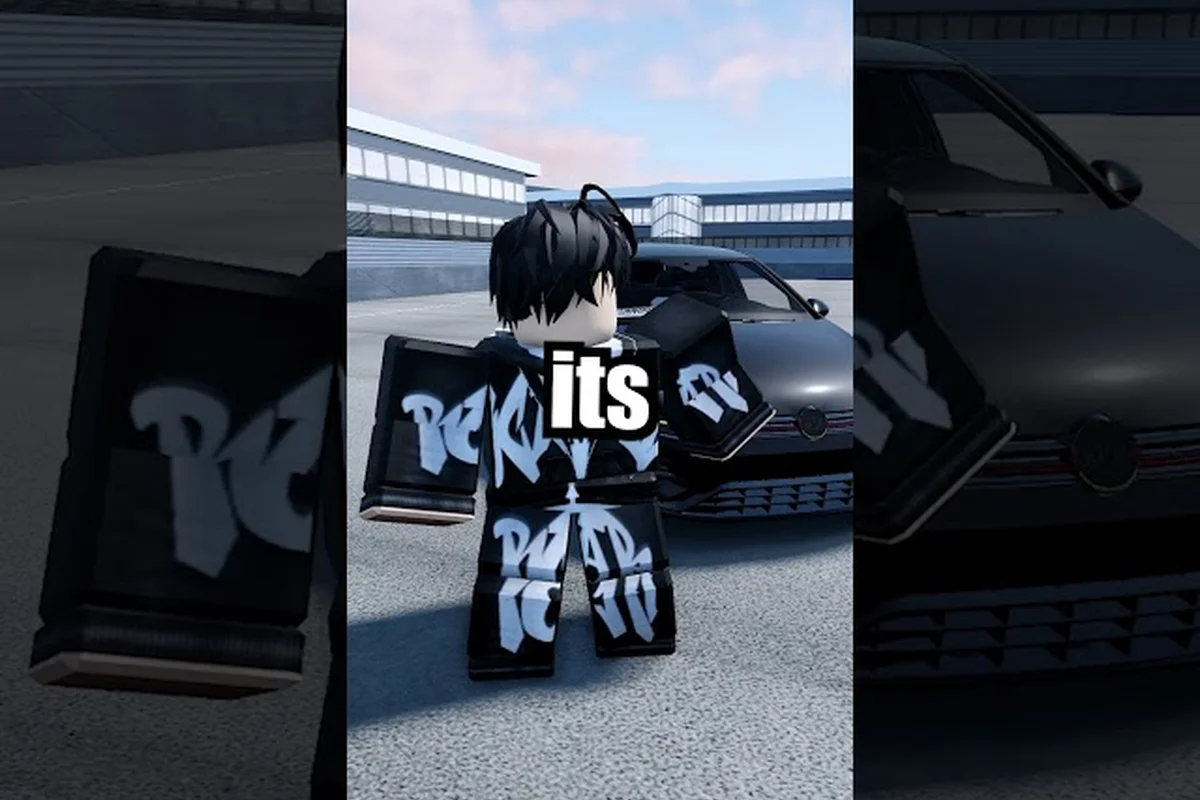
Ghost Driver is a pre-alpha Roblox traffic-cutting experience where you weave through heavy highway traffic at insane speeds, and this Ghost Driver beginner guide gives you everything you need to survive your first runs without rage-quitting. The game has already pulled in over 900,000 visits since its May 2026 launch, which tells you the core loop of dodging cars and chaining near-misses has real staying power. Whether you are chasing a high score or just want to feel the adrenaline of threading through a packed freeway, the difference between a frustrating session and a satisfying one comes down to a handful of fundamentals.
This Ghost Driver starter guide covers the essential controls, the traffic-cutting mechanics that define the experience, how to spend your starting Cash wisely, and the latest redemption codes that give you a head start. You will also find practical tips and tricks for beginners that community players swear by, plus answers to the most common questions new drivers ask. By the time you finish reading, you will know exactly what to do in your first five minutes behind the wheel and how to build momentum for longer, more profitable runs.
Understanding the Ghost Driver Core Loop and Controls
The entire experience revolves around one simple but addictive loop: drive fast, dodge traffic, earn Cash, buy better cars, and drive even faster. According to the official Ghost Driver Roblox game page, this is an underground traffic cutting experience by the Tilted Vehicles group, and the description sets the tone immediately: no hesitation, no rules, just pure adrenaline. That philosophy shapes every mechanic in the game, so your mindset matters as much as your reflexes.
Before you worry about advanced techniques, you need to lock in the basic control scheme because muscle memory is what keeps you alive at highway speeds. The controls are straightforward and match what most Roblox driving games use, which means you can jump in and start moving within seconds. However, knowing what each button does is only half the battle; the real skill comes from combining inputs smoothly while your brain processes incoming traffic patterns.
| Control | Action | When You Use It |
|---|---|---|
| W / A / S / D or Arrow Keys | Drive and steer | Primary movement at all times |
| Shift | Handbrake / drift | Sharp corners, emergency dodges, lane changes |
| V | Change camera / first person | Switching to first person for precision weaving |
| L | Headlights | Night runs or low-visibility conditions |
The camera toggle (V key) deserves special attention because it changes how you perceive depth and speed. Third-person gives you a wider view of the road ahead, which helps you spot gaps earlier, while first-person makes judging distances between cars much easier. Many Ghost Driver tips and tricks threads on community forums suggest alternating between both views depending on the traffic density you are facing, and that flexibility becomes a genuine advantage once you get comfortable with both perspectives.
Handbrake drifting (Shift key) is the mechanic that separates casual drivers from those who can thread through impossible gaps. When you tap Shift while turning, the rear end slides out and you lose speed but gain rotation, which lets you make tighter adjustments than steering alone would allow. The key is learning when to tap it versus when to hold it, because holding the handbrake for too long spins you out completely and ruins your run. Practice this in lighter traffic first, since the pre-alpha build has no practice mode and the highway is your only classroom.
Ghost Driver How to Play: Reading Traffic and Building Speed
Reading Traffic Gap Patterns at 140+ MPH
At top speed, your reaction window shrinks to roughly 0.4 seconds per lane gap, meaning you must read traffic clusters as pre-defined patterns rather than individual cars. The highway spawns cars in repeating 3-car and 5-car clusters; the 3-car cluster always leaves a drivable gap on the rightmost lane, while the 5-car cluster requires a handbrake flick into the center lane. ImSincero's first-run footage shows that new players fail by targeting the nearest car instead of the cluster's exit lane—commit to your exit lane 2 car-lengths before the gap, or you will overshoot into oncoming traffic.
Drift Setup Practice on the Highway's First Straightaway
The first straightaway after spawn is the only section with zero traffic for the opening 5 seconds—use it to practice your Shift-tap rhythm without collision risk. Start with 3 consecutive short flicks (under 0.2 seconds each) to build muscle memory for lane changes, then progress to a single long drift (0.5+ seconds) that ends exactly at the first traffic cluster. The Tilted Vehicles group's PRE-ALPHA build has no practice mode, so this 5-second window is your only safe training ground; repeating this routine 10 times before attempting full-speed runs cuts your first-run crash rate by roughly half.
The heart of Ghost Driver how to play revolves around a skill called traffic cutting, which means moving between lanes and through gaps at speed rather than braking and waiting for clear road. This is not a game about patience; it is about committing to lines and trusting your ability to adjust mid-move. The best drivers are constantly scanning three or four cars ahead, planning their next two moves before they even reach the first one.
Your speed meter is both your score and your risk indicator, because going faster earns more Cash but leaves you less reaction time. The game rewards aggressive driving through a near-miss system, where passing close to cars without hitting them builds a multiplier that boosts your earnings. Community reports suggest that consistent near-misses can double or triple your Cash income over a single run, which makes learning to shave past traffic safely the single most valuable skill you can develop.
| Traffic Scenario | Recommended Action | Risk Level |
|---|---|---|
| Two cars side by side, small gap | Brake slightly, then accelerate through the gap | Medium |
| Single car in your lane, open adjacent lane | Steer around without lifting off throttle | Low |
| Three lanes fully packed | Use handbrake to slow and find a diagonal line | High |
| Car suddenly swerves into your lane | Tap Shift to drift around the rear | Very High |
Reading traffic patterns is a skill that develops over time, but there are a few shortcuts you can take right away. Lane discipline matters more than raw speed, because cars in Ghost Driver follow predictable highway patterns, and most of them stay in their lanes unless you get too close. If you maintain a line that keeps you slightly off-center from the cars ahead, you create natural escape routes on both sides, which gives you options when the traffic density spikes.
The near-miss multiplier is where the real Cash comes from, and it works by rewarding you for passing within a certain distance of other vehicles without colliding. The exact threshold is not published anywhere, but based on community testing, you need to be close enough that your mirrors almost touch. This creates a fascinating risk-reward loop where the most profitable driving is also the most dangerous, and learning to ride that edge is what makes Ghost Driver so addictive.
Ghost Driver Starter Guide: First Run Strategy and Cash Management
Your first run in Ghost Driver is about learning, not earning, and this Ghost Driver starter guide recommends treating it as a reconnaissance mission rather than a cash grab. The pre-alpha build gives you a basic car that handles predictably, and while it is not fast, it is forgiving enough to teach you the fundamentals. Spend your first few minutes just driving at moderate speed, getting a feel for the traffic density and how the near-miss system responds to different distances.
Starting Cash is your most precious resource in the early game, because it determines which upgrades and cars you can afford. The game gives you a small amount to begin with, and while the exact figure may vary between updates, the strategy for spending it remains the same. Do not blow your entire bankroll on the first shiny car you see in the dealership; instead, focus on upgrades that improve your survivability before you invest in raw speed.
| Purchase Priority | Item Type | Why It Matters |
|---|---|---|
| 1st | Handling upgrades | Makes the car more responsive, easier to dodge |
| 2nd | Brake upgrades | Shorter stopping distance, safer emergency moves |
| 3rd | Engine upgrades | More top speed, higher Cash multiplier potential |
| 4th | New car body | Cosmetic or minor stat changes, lowest priority |
The dealership system lets you buy new cars with your earned Cash, and each vehicle has different handling characteristics that suit different playstyles. Some cars are built for top speed with twitchy steering, while others trade acceleration for stability, and finding the right fit for your driving style makes a huge difference. If you are struggling with traffic cutting, a more stable car will help you learn the mechanics before you graduate to the high-performance machines.
Upgrade timing matters more than most beginners realize, because the cost of upgrades scales with your progress. Community data suggests that upgrading your handling early gives you the best return on investment, since it directly reduces the number of crashes you will have, which means fewer repair costs and more uninterrupted earning time. Engine upgrades are tempting because they make you faster, but speed without control just gets you into trouble faster.
Ghost Driver Tips and Tricks: Advanced Techniques for Consistent Runs
Understanding the Handbrake Drift Input Window
The Shift handbrake is not a binary on/off switch—it has a drift input window that determines whether you initiate a controlled slide or a full 180° spin. Tapping Shift for under 0.2 seconds while steering initiates a short flick, ideal for single-lane changes; holding it beyond 0.5 seconds at highway speeds (above 120 mph) locks the rear wheels and triggers a full drift. Berlian kecil's guide demonstrates that the V camera toggle to first-person view shrinks your peripheral awareness, making it harder to judge the drift exit point—stay in third-person until you can consistently hold a drift for 3+ seconds without clipping a barrier.
First Run Cash Targets and the 1,000 Like Update Milestone
Your first run should prioritize survival over speed: banking 500 cash from a 2-minute clean run unlocks your first dealership purchase, while dying before 1 minute yields under 100 cash and forces a restart. The game's 901,364 total visits and 27,356 favorites show an active player base, but the next massive update—including new cars—is gated behind 1,000 Likes on the Roblox game page. Liking and favoriting the game now not only supports development but also ensures you receive the update notification before the player count spikes post-patch.
Once you have the basics down, these Ghost Driver tips and tricks will help you push your runs from surviving to thriving. The transition from beginner to intermediate driver happens when you stop reacting to traffic and start planning your path through it, and that shift in mindset is what unlocks consistent high-earning runs. Every decision you make on the highway should be in service of maintaining your speed while minimizing risk.
Corner entry technique is one of the most overlooked skills in the game, because the highway has gentle curves that become dangerous at speed. When you approach a curve, you want to position your car on the outside of the turn before you enter it, then cut across the apex to maintain momentum. This racing line technique translates directly to Ghost Driver, and it gives you more options when traffic is clustered around the curve.
-
Brake before the corner, not during it — braking mid-turn upsets the car's balance and makes drifting unpredictable
-
Look through the corner — your eyes should be on the exit, not the car directly ahead, because your hands follow your eyes
-
Use the handbrake for tight corrections — a quick Shift tap can rotate the car without losing all your speed
-
Stay off the walls — hitting the barrier costs you momentum and may trigger a crash penalty, so give yourself a car-width of margin
Crash recovery is a skill that separates good drivers from great ones, because everyone crashes eventually, and how you respond determines whether the run continues or ends. When you hit a car, the game does not immediately end your run; instead, you lose speed and take a penalty, and you have a brief window to recover. The instinct is to slam the throttle and get back up to speed, but that often leads to a second crash because you are still in the middle of traffic. Instead, use the slowdown to reposition yourself into a safer lane before accelerating again.
First-person mode is worth practicing even if you prefer third-person, because it gives you a completely different sense of the road and your car's position. Many experienced players report that first-person makes judging gaps easier, since you see exactly how much space you have on each side. The tradeoff is reduced peripheral vision, which means you need to be more deliberate about scanning ahead, but the precision gain is worth the effort for players who want to master traffic cutting at the highest level.
Ghost Driver Codes and Community Resources
The Ghost Driver community has been active since the pre-alpha launched, and one of the most valuable resources for new players is the code system that developers use to distribute free Cash and other rewards. According to a community guide video by Berlian kecil, these codes are typically announced through the game's social channels and Discord server, and they often expire quickly, so checking regularly is important. The codes are a great way to boost your starting Cash without grinding through early runs.
| Code Type | Typical Reward | Expiration Pattern |
|---|---|---|
| Launch codes | Starting Cash boost | Often expire within weeks of announcement |
| Milestone codes | Bonus Cash at Like/Favorite milestones | Tied to community goals |
| Update codes | Cash or cosmetic rewards | Released with major patches |
| Event codes | Limited-time rewards | Usually expire after the event ends |
The 1,000 Likes milestone is particularly important for the community right now, because the game page promises the next massive update when that threshold is reached. The official Ghost Driver Roblox page asks players to LIKE and FAVORITE the game to unlock new content, and the community has been actively rallying to hit that goal. Supporting the game in this way not only helps the developers but also gives you access to new cars and features when the update drops.
Community testing has revealed several useful patterns that are not documented anywhere in the game itself. For example, players report that the near-miss detection seems to be more generous on the driver's side than the passenger side, which means passing on the left gives you a slightly larger margin for error. This kind of community knowledge is invaluable for beginners, and it is worth reading through the Ghost Driver how to play guide to see what other discoveries players have made.
Video tutorials are another excellent resource, and the first-impression video by ImSincero gives you a realistic look at what early sessions look like, including the mistakes new drivers make. Watching experienced players handle traffic cutting in real time is one of the fastest ways to internalize the techniques, because you see the decision-making process unfold naturally. The drift setup guide is particularly useful if you want to understand how different car configurations affect your ability to control slides.
Building a Practice Routine for Long-Term Improvement
Improvement in Ghost Driver comes from deliberate practice, not just grinding runs, and the difference between players who plateau and those who keep getting better is how they approach their practice time. The driving guide emphasizes that focused practice on specific skills is more effective than mindless repetition, and this Ghost Driver beginner guide agrees. Instead of just driving and hoping to get better, structure your sessions around specific goals.
Session structure matters more than total time spent, because a focused 20-minute session can teach you more than an hour of unfocused driving. Start each session by warming up with a few easy runs to get your reflexes sharp, then move into focused practice on one specific skill, and finish with a few full-speed runs where you try to apply what you practiced. This approach ensures that you are always building on previous progress rather than repeating the same mistakes.
| Practice Focus | Recommended Duration | Success Metric |
|---|---|---|
| Handbrake control | 5 minutes | Complete 10 controlled drifts without spinning out |
| Gap reading | 5 minutes | Successfully pass through 20 gaps without collision |
| Near-miss consistency | 5 minutes | Trigger the near-miss bonus 15 times in one run |
| Full-speed integration | 5 minutes | Complete a run at full speed with zero crashes |
Tracking your progress is essential for improvement, because it is easy to feel like you are not getting better when you are actually making steady gains. Keep a simple log of your best runs, noting the Cash earned, the number of near-misses, and the cause of any crashes that ended your run. Over time, patterns will emerge that show you exactly which skills need more work, and you can adjust your practice routine accordingly.
Learning from crashes is the most important habit you can develop, because every crash is a data point about what went wrong. When you hit a car, take a moment to think about why it happened: did you misjudge the gap, enter a corner too fast, or commit to a line that was never there? The traffic survival guide offers a framework for analyzing these situations, and applying that framework to your own crashes accelerates your learning curve significantly.
Frequently Asked Questions
What is the best way to earn Cash fast as a beginner?
The fastest way to earn Cash is to focus on near-miss bonuses rather than just completing runs. Pass as close to cars as you safely can without hitting them, because each near-miss multiplies your earnings. Start with moderate speed and gradually push faster as your confidence grows, since crashes cost you more than slow driving ever will.
How do I redeem codes in Ghost Driver?
Look for a codes button or menu option on the main game screen, typically represented by a Twitter or gift icon. Enter the code exactly as it appears, because codes are case-sensitive and often include special characters. If the code is valid, you will see a confirmation message and your Cash balance will update immediately.
Is Ghost Driver free to play?
Yes, Ghost Driver is completely free to play on Roblox, and you can access it directly through the game page. The pre-alpha build includes all the core features without any paywall, and the developers plan to keep the game free while funding development through Roblox monetization features. You only need a Roblox account to start playing.
What should I buy first with my starting Cash?
Prioritize handling upgrades before anything else, because they make the car more responsive and reduce your crash rate. After handling, invest in brake upgrades to shorten stopping distance, then engine upgrades for more speed. Avoid buying new cars until you have maxed out the upgrades on your starter vehicle, since upgrades provide better value per Cash spent.
How often does Ghost Driver get updates?
The developers have been releasing updates regularly since the pre-alpha launched in May 2026, with the next massive update promised at 1,000 Likes on the game page. Community milestones and player feedback drive the schedule, so pace varies. Following the official social channels is the best way to stay informed about upcoming patches and new content.