
Upgrades
Ghost Driver upgrade guide — engine, handling, brakes, transmission and the best upgrade order for your Cash.
Introduction
The Upgrades hub explains how the Ghost Driver upgrade system works and which upgrades you should buy first. Every car at the dealership can be improved with Cash, and the upgrade categories — engine, handling, brakes, transmission and visual upgrades — change how your car performs on the highway. The right upgrade order makes a huge difference: a budget starter with the right upgrades can outrun a supercar that was never upgraded. This hub breaks down what each upgrade does, how much it matters and the best order to spend your Cash so no upgrade is ever wasted. Because the game is still in PRE-ALPHA, upgrade costs and effects are community-verified and updated as the developers tune the system.
Upgrade Priority Quick Reference
| Upgrade | What It Does | Priority |
|---|---|---|
| Engine | Top speed and acceleration | S |
| Handling | Cornering and stability | A |
| Brakes | Stopping distance | A |
| Transmission | Gear shifts and pickup | B |
| Visuals | Cosmetic only | C |
Upgrade Types
Engine
Top speed and acceleration — the biggest gain
Handling
Cornering and stability keep you alive
Brakes
Shorter stopping distance before traffic walls
Transmission
Smoother shifts and better corner pickup
Visuals
Body kits, wheels and liveries — style only
Core Mechanics
The upgrade system is built around spending Cash to improve specific parts of your car, and every category changes the driving feel differently. The engine is the highest-impact upgrade because it raises both top speed and acceleration, which directly increases your Cash per run. Handling makes the car more stable and easier to turn, which matters enormously in dense traffic where a wobble means a crash. Brakes shorten your stopping distance before traffic walls. Transmission smooths gear shifts for better pickup out of corners, and visual upgrades — body kits, wheels and liveries — are purely cosmetic. The key insight is that upgrades compound: a fully upgraded budget car is faster and safer than a stock supercar, which is why focused upgrade spending beats spreading your Cash thin.
Advantages
The upgrade system gives Ghost Driver real progression depth without making the game complicated. Every upgrade you buy makes a visible difference on the road, which is deeply satisfying and keeps the one-more-run feeling alive. Because upgrades compound, smart spending rewards planning — you can build a genuinely fast car from the cheapest starting platform, which is a huge win for free-to-play players. The priority order is intuitive and forgiving: even a slightly sub-optimal upgrade path still improves your car, so there is no way to permanently ruin a build. For players who like optimising, the upgrade system is the long-term hook that keeps them driving.
Challenges
The main downside of the upgrade system is that it is expensive, and bad early decisions slow your progress. If you spread your Cash across all five upgrade categories, you end up with a car that is slightly better at everything but great at nothing. Exact upgrade costs and the precise effect of each level are also community-reported rather than officially documented, which means the numbers can change with a patch. Because the game is in PRE-ALPHA, a strong build today can be rebalanced tomorrow, so it is worth checking the latest update notes before you commit a large pile of Cash to a specific upgrade path.
Frequently Asked Questions
What is the best upgrade order in Ghost Driver?+
How do I upgrade my car in Ghost Driver?+
Do upgrades apply to all my cars?+
Quick Tips
Focus your Cash on engine and handling before anything else. These two upgrades give the biggest combined boost to both speed and survival, and they make every run longer, faster and safer. Spreading Cash across all five categories looks balanced but actually produces a car that is mediocre everywhere. Focus your Cash on engine and handling before anything else. These two upgrades give the biggest combined boost to both speed and survival, and they make every run longer, faster and safer. Two focused upgrades beat one of each, and the difference compounds across every run you drive, so resist the urge to spread your spending evenly.
Keep a Cash buffer instead of emptying your balance on the next upgrade level. If a milestone update or a fresh code drops, you want to be able to grab the new content. The compound gains from upgrades are real, but a completely empty wallet is one patch away from falling behind.
Do not buy visual upgrades until your engine, handling and brakes are solid. Body kits, wheels and liveries look great but add zero performance, and early game Cash is far better spent on the parts that make you faster and safer. Save the cosmetics for when your build is done.
Featured
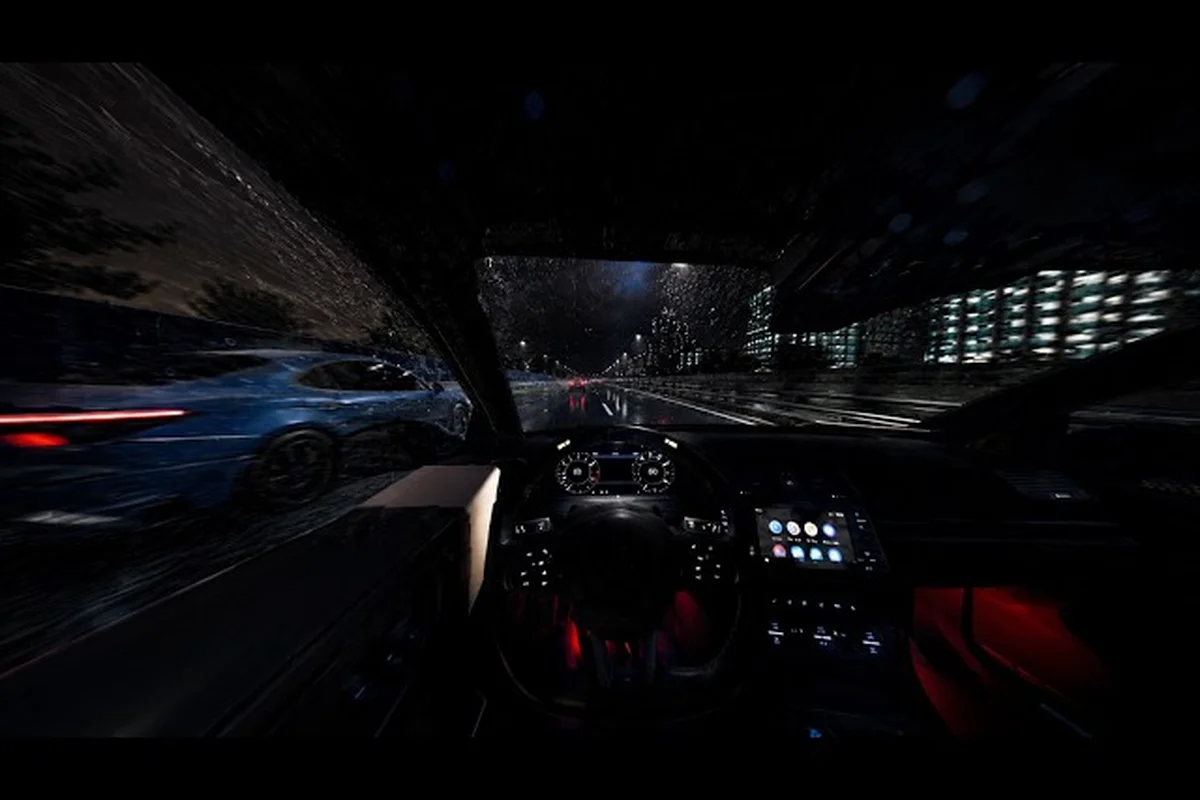
Ghost Driver Car Upgrades: Best Tuning and Upgrade Order
Master Ghost Driver car upgrades with this tuning guide. Find the best upgrade order, engine boosts, and priority picks to maximize your car's performance.
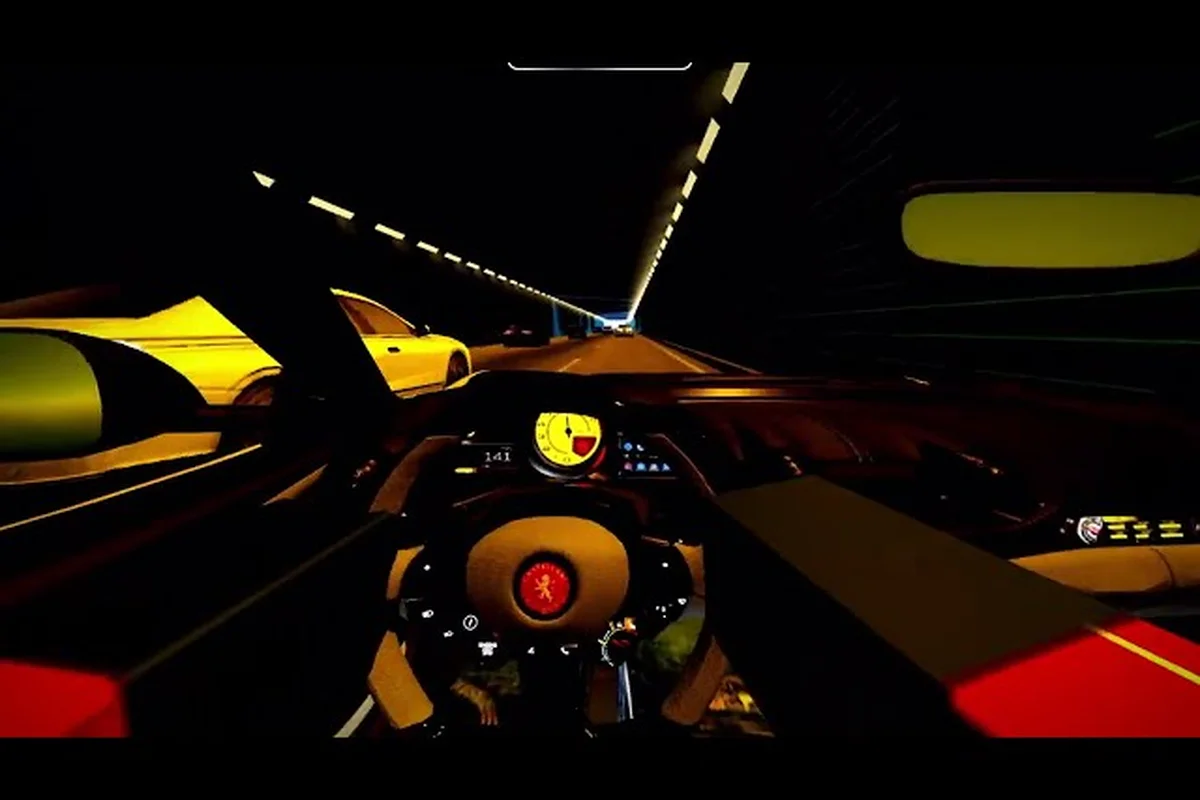
Ghost Driver Cheapest Upgrades: Top Value Tuning for 2026
Save Cash with the Ghost Driver cheapest upgrades for 2026. Find top-value tuning parts and the best upgrades to boost performance without breaking the bank.
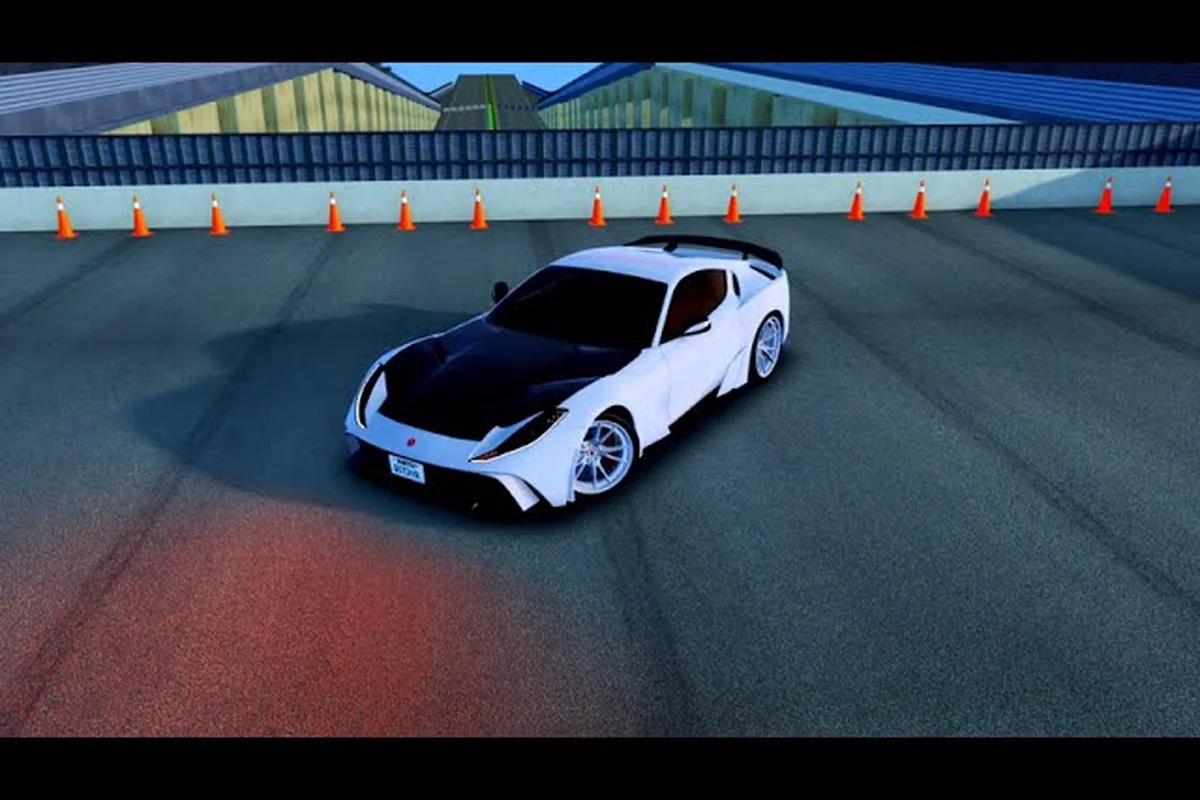
Ghost Driver Performance Upgrades: Max Path and Upgrade Menu
Understand Ghost Driver performance upgrades, from engine tuning to car parts. Learn the best upgrade path and how to access the upgrade menu for max stats.
All Articles
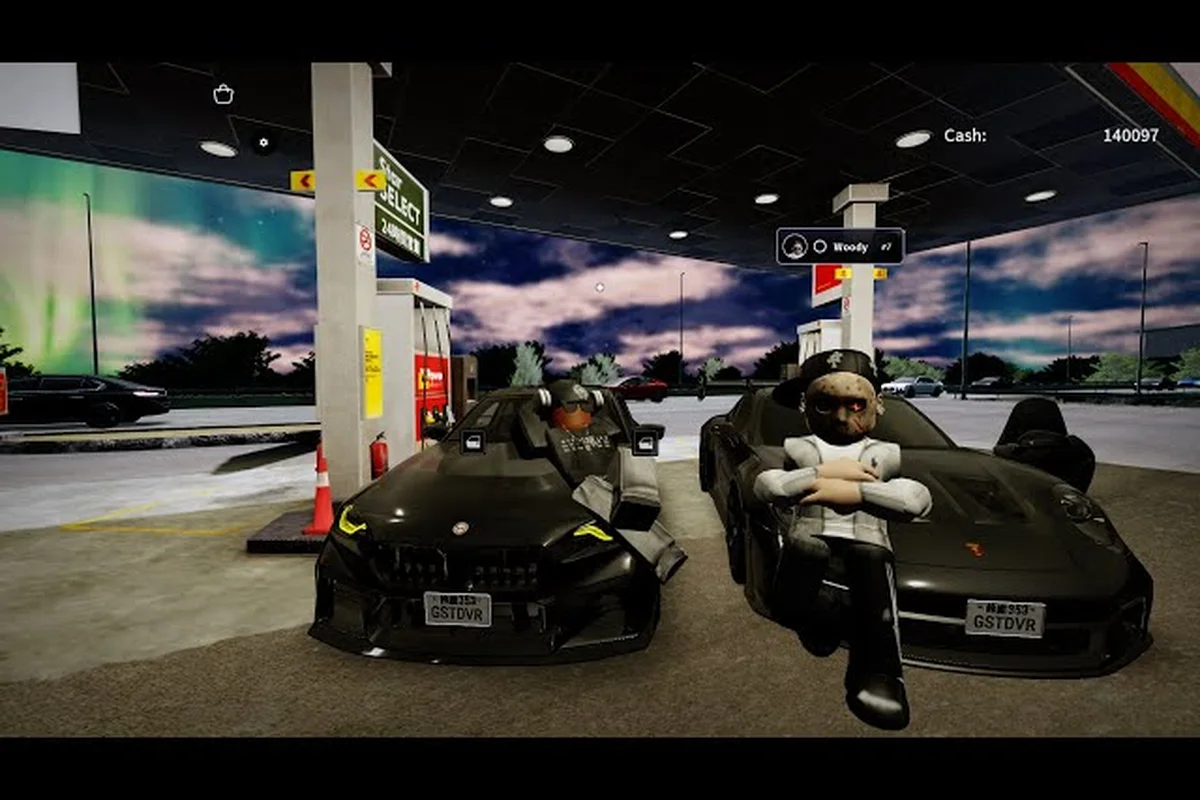
Ghost Driver Turbo Upgrade: Best Tuning Setup for Speed
Boost your ride with the Ghost Driver turbo upgrade. Get the best tuning setup for speed and drift, plus a smart upgrade strategy for all your cars.
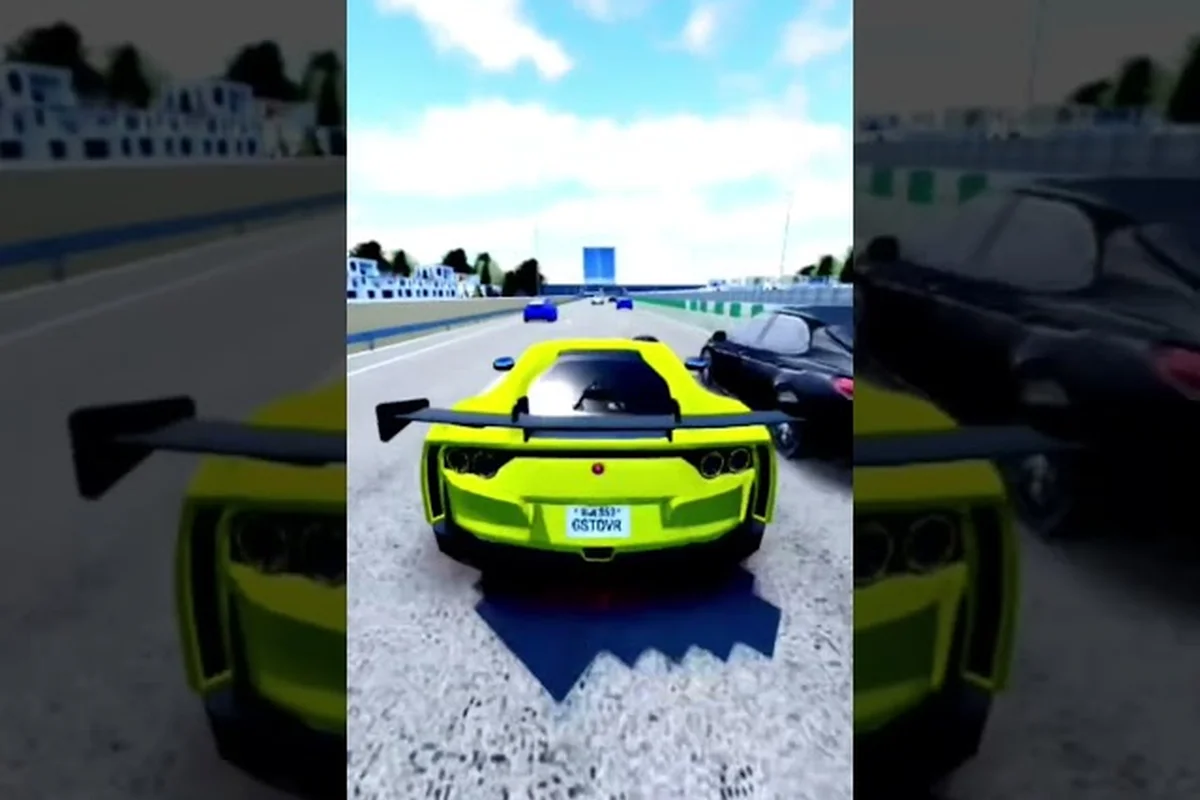
Ghost Driver Upgrade Cost: Prices and Which Upgrades First
Check Ghost Driver upgrade cost for every part, from handling to transmission. Learn which upgrades to buy first and budget your Cash for maximum gains.
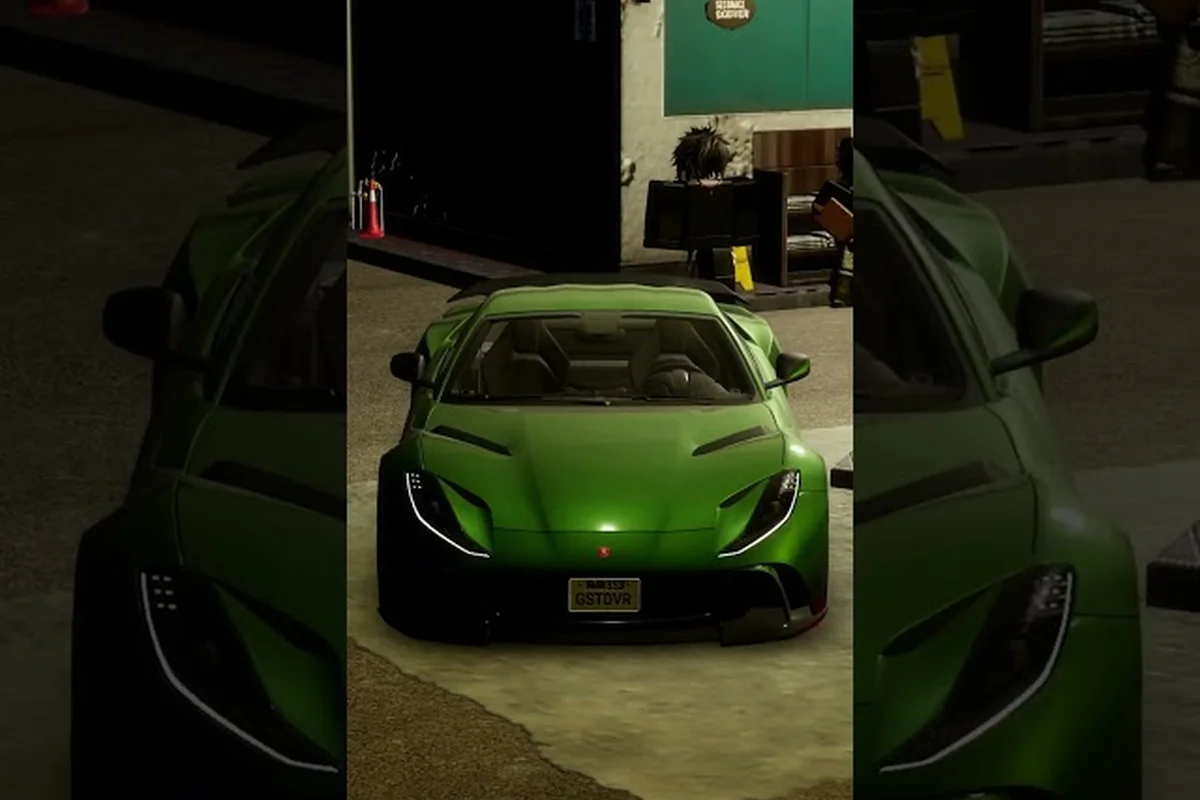
Ghost Driver Upgrade Points: System, Max Speed, and Visuals
Learn how Ghost Driver upgrade points work, from max speed boosts to body kits and wheels. Explore the upgrade system and spend your points wisely.