
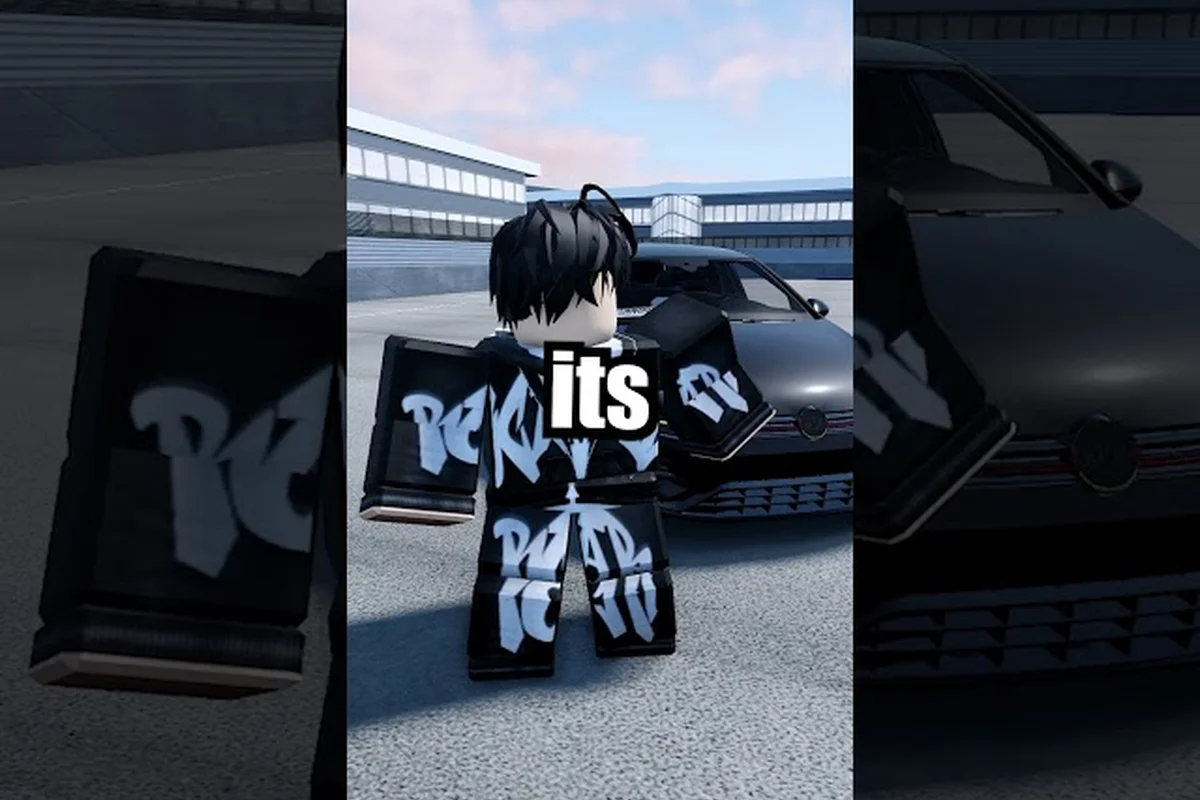
Ghost Driver is a pre-alpha Roblox traffic-cutting experience where you weave through highway traffic at insane speeds, and this Ghost Driver quick guide is built for players who want to skip the trial-and-error phase entirely. With over 901,000 total visits and roughly 3,400 players online at peak times according to the Roblox Games API, the game has already built a dedicated community around its adrenaline-fueled driving loop. The core loop is simple: redline your engine, swerve through gaps, and survive long enough to earn Cash for better cars, but the execution takes practice. This guide condenses the essential survival tactics, traffic-reading strategies, and cash-earning methods into a fast-read format that gets you driving like a veteran within your first few sessions. Whether you are dodging your first near-miss or grinding for your third car, the tips here cut straight to what matters. Once you’ve got the fundamentals down and start pushing into faster lobbies, learning how to read and outmaneuver a rival’s ghost car becomes your next edge—check our Ghost Driver Guide to turn those close calls into clean passes and keep your win streak alive.
Quick Start: Camera and Control Essentials
V Key Camera Switching: Third-Person vs. First-Person Gap Reading
Pressing V mid-run toggles between chase-cam and first-person, and each view changes how you read highway gaps. Third-person gives a wider peripheral view of adjacent lanes, ideal for spotting a 2-car gap 3 vehicles ahead. First-person narrows your focus but improves depth perception for tight squeezes between trailers. Veteran players switch to first-person only when committing to a narrow gap, then flick back to third-person to re-scan the next 3-lane cluster. Practice this toggle rhythm on empty highway sections before attempting it in heavy traffic, where a mistimed V press costs your drift angle.
Reading the 3-Lane Highway: Identifying Safe Gaps at Speed
The highway's 3-lane layout produces predictable traffic patterns: the left lane holds the fastest-moving cars, the middle lane has mixed speeds, and the right lane is clogged with slower vehicles and merge traffic. Safe gaps appear most frequently between the middle and left lanes, where speed differentials create openings that last 2-3 seconds at highway speed. When approaching a cluster, scan 5 vehicles ahead and identify which lane has the highest speed variance—that lane will produce the next usable gap. Avoid committing to right-lane gaps, as merging traffic unpredictably changes speed and forces sudden braking.
Before you can survive heavy traffic, you need to master the control scheme that Tilted Vehicles built into the game. The official game page lists the complete control layout, and getting these mapped to muscle memory is the foundation of any successful run. The default setup uses W/A/S/D or Arrow Keys for steering, Shift for the handbrake and drifting, V to switch between chase and first-person cameras, and L for headlights during night runs. Most new players underestimate how much the camera choice affects their survival rate, so let's break down each control and when to use it.
The handbrake is your most important defensive tool because it lets you shed speed instantly when a gap closes unexpectedly. Tapping Shift while turning initiates a drift that rotates the car's nose through tight spaces, while holding it longer produces a wider slide that can carry you through multi-lane transitions. The key distinction is that the handbrake does not stop you; it changes your trajectory, so you need to pair it with throttle control to avoid spinning out.
Camera positioning matters just as much as steering input. The default chase camera gives you a wider view of the road ahead, which helps with reading traffic patterns, but it makes judging exact distances harder. Switching to first-person view with V narrows your field of vision yet improves your depth perception for threading needle-thin gaps. Community reports suggest that most experienced players stick with chase view for general driving and only drop into first-person for the tightest sections.
| Control | Default Key | Primary Use | Advanced Tip |
|---|---|---|---|
| Steering | W/A/S/D or Arrows | Basic movement | Tap inputs for micro-corrections |
| Handbrake | Shift | Drifting and sharp turns | Hold for wide slides, tap for quick rotation |
| Camera | V | Chase/first-person toggle | Chase for awareness, first-person for precision |
| Headlights | L | Night visibility | Always on during night highway sections |
Your reaction time improves dramatically once you stop thinking about which key does what, so spend your first few runs deliberately practicing each control in isolation. Try a full lap using only the handbrake to navigate, then another lap switching cameras every thirty seconds. This focused practice builds the muscle memory that lets you focus entirely on reading traffic, which is the real skill that separates survivors from wrecked cars. Once the controls feel automatic, you can start pushing your speed and taking riskier lines through the highway.
Reading Traffic Patterns Like a Veteran
Shift Handbrake Drift: Initiating and Canceling Slides
Shift acts as both handbrake and drift trigger, but it behaves differently depending on speed and steering input. At 60+ mph, tapping Shift while holding A or D initiates a controlled slide that tightens your turning radius by roughly 40%, letting you carve around a slower car without losing momentum. At lower speeds, the same input locks the rear wheels and kills your speed entirely. To cancel a drift early, release Shift and counter-steer for half a second—this straightens the car without triggering a spinout. Master this cancel on the dealership test drive area before relying on it in live traffic.
New Cars Unlocked by the Like Milestone
The game page explicitly ties new content to community engagement: the next massive update drops at 1,000 Likes, and the game currently sits at 27,356 favorites with 901,364 total visits as of August 2026. This milestone structure means new cars and map changes arrive in waves tied to player support, not a fixed schedule. For cash management, avoid spending your entire bankroll on the current dealership lineup if an update is imminent—new vehicles often shift the meta and make older purchases feel obsolete. Like and favorite the game page to accelerate the next content drop.
Traffic in Ghost Driver is not random; the game generates flow patterns that repeat across the highway, and learning to read these patterns is the difference between a clean run and a wreck. The traffic flow rhythm follows a predictable pulse: dense clusters of cars alternate with open stretches, and the gaps between lanes shift as slower vehicles merge. New players often panic when they see a wall of cars ahead, but veterans know that every cluster has a rhythm you can time your approach against.
The first pattern to recognize is the lane shift, where the entire traffic block moves one lane over over several seconds. This creates a diagonal corridor that you can ride through if you match the shift speed. The second pattern is the slow-vehicle pocket, where a truck or bus creates a rolling gap behind it because faster cars stack up waiting to pass. Slip into that pocket and you get a brief window of open road while the traffic sorts itself out.
Your scanning strategy should follow a fixed sequence: check the far distance for the next cluster, then the immediate gaps around you, then your mirrors for trailing cars. This three-point scan takes about two seconds to complete and keeps you aware of both the big picture and the immediate threats. Players who fixate on the car directly ahead miss the merge happening three lanes over, and that merge becomes your problem in five seconds.
| Traffic Pattern | Visual Cue | Best Response |
|---|---|---|
| Lane Shift | Cars moving diagonally as a block | Match the shift and ride the corridor |
| Slow-Vehicle Pocket | Gap forming behind trucks/buses | Tuck in and use the open space |
| Merge Wave | Cars signaling and drifting toward your lane | Back off or accelerate to clear the zone |
| Brake Cluster | Multiple brake lights ahead | Lift throttle and prepare to drift |
The brake light reading skill takes the longest to develop because it requires predicting what drivers will do before they do it. When you see a cluster of brake lights two hundred meters ahead, you should already be planning your escape route rather than waiting to react. Community testing suggests that the traffic AI reacts to your proximity, so aggressive driving actually creates more openings because cars begin evasive maneuvers that open gaps. However, this works both ways, and over-aggression can trigger a chain reaction that boxes you in.
Ghost Driver Survival Guide: Avoiding Crashes and Wrecks
A single crash in Ghost Driver costs you more than just time; it resets your combo multiplier and forces you to rebuild your speed from a standstill. This Ghost Driver survival guide section focuses on the defensive habits that keep you out of the wreck pile, because avoiding crashes is always faster than recovering from them. The crash recovery cost is steep: you lose your current speed, your combo progress, and precious seconds that could have been spent earning Cash.
The most common rookie mistake is over-committing to a gap that looks open but closes before you arrive. The solution is to always have a bailout plan: identify two possible escape routes before you commit to any single gap. If the primary gap closes, you already know which direction to drift instead of freezing up. This mental preparation is what separates smooth runs from chaotic ones.
Your speed management strategy should follow the terrain rather than a fixed target. On straight, open sections, push your speed to the limit to build combo multiplier. When you see a dense cluster ahead, bleed off speed early with a light brake tap or a lift of the throttle, because entering a cluster too fast leaves you no room to adjust. The veterans call this speed budgeting, and it is the single most important survival skill in the game.
-
Scan ahead: Identify the next three traffic events before they arrive
-
Plan bailouts: Always know two escape routes from your current position
-
Budget speed: Slow early into clusters, accelerate out of them
-
Use the handbrake: Tap it to rotate, hold it to slide wide
-
Respect the merge: Give merging cars room or pass them decisively
The near-miss mechanic rewards risky driving with bonus Cash, but it also teaches you the game's collision physics. When you pass within a car's width of another vehicle, you get a small Cash bonus and a combo multiplier increase. This creates a risk-reward loop where skilled drivers earn more by threading tighter gaps, but the penalty for failure is a crash that wipes your progress. Start by taking only the safe near-misses, then gradually tighten your lines as your confidence grows.
Earning Cash in the Traffic-Cutting Loop
Cash is the lifeblood of progression in Ghost Driver, and this Ghost Driver traffic guide section explains the most efficient ways to earn it. The game rewards you for distance traveled, near-misses, and surviving longer without crashing, with the combo multiplier acting as the biggest income amplifier. Every successful near-miss or clean gap threading adds to your combo, and the multiplier scales up to a cap that dramatically increases your per-second earnings.
The distance-based income provides a steady baseline, but the real money comes from the risk bonuses. A clean run with consistent near-misses can earn several times more than a safe run that avoids all traffic, which is why the leaderboards are dominated by aggressive drivers. However, the crash penalty resets your combo to zero, so you need to balance risk against consistency depending on your current goals.
| Car Tier | Approximate Cost | Best For | Recommended Upgrade Path |
|---|---|---|---|
| Starter | Free | Learning controls | Save for first upgrade |
| Sport | 2,000-5,000 Cash | Balanced performance | Handling first, then speed |
| Muscle | 5,000-10,000 Cash | High-speed straights | Acceleration and brakes |
| Super | 10,000+ Cash | Endgame grinding | Max handling and speed |
The dealership rotation changes which cars are available, so you should check back regularly even if you are not ready to buy. Community reports indicate that the dealership refreshes on a timer, and rare cars occasionally appear at discounted prices. If you see a car you want, it is worth grinding the Cash immediately rather than waiting, because the rotation might not bring it back for a while.
Your upgrade priority should always be handling before speed, because a car that corners well will survive longer and earn more Cash per run than a faster car that crashes constantly. The handling upgrades improve your steering response and reduce the risk of spinning out during drifts, which directly translates to more consistent runs. Speed upgrades matter once you have the handling to control the extra velocity, but buying them early often leads to frustration.
Ghost Driver Advanced Guide: Combo Building and Risk Management
Once you have the basics down, this Ghost Driver advanced guide section covers the strategies that push your earnings to the maximum. The combo multiplier system rewards consecutive successful actions, and understanding how to build and preserve your combo is the key to high-income runs. Every near-miss, clean gap, and drift adds to the combo, but the multiplier decays if you go too long without a successful action.
The risk-reward calculation changes as your combo grows. Early in a run, the combo multiplier is low, so aggressive driving has limited upside. Once you build a high multiplier, the potential earnings per near-miss increase dramatically, but so does the cost of a crash. Experienced players adjust their aggression based on their current combo: conservative early, aggressive when the multiplier is high, and defensive again as the run gets longer.
Drift chaining is the advanced technique that separates top earners from the pack. By linking multiple drifts together without straightening out completely, you maintain a higher average speed through corners and keep your combo building. The technique requires precise throttle control because over-accelerating mid-drift causes a spin, while under-accelerating kills your momentum. Practice on the wide, open sections first before attempting drift chains in heavy traffic.
-
Build early: Focus on clean driving to stack your multiplier
-
Push when hot: Increase aggression once your combo is high
-
Protect the run: Back off when fatigue or nerves set in
-
Chain drifts: Link corners to maintain speed and combo
-
Know when to stop: A safe finish beats a risky crash every time
The session strategy matters more than individual run performance. Your reaction time and decision-making degrade over long sessions, so the best players take breaks and return fresh. Community data suggests that most players hit their peak performance within the first thirty minutes of a session, and crash rates climb noticeably after that. Plan your grinding sessions in focused bursts rather than marathon runs, and you will earn more Cash per hour overall.
Frequently Asked Questions
What is the fastest way to earn Cash in Ghost Driver?
Focus on building your combo multiplier through consistent near-misses and clean gap threading. A high multiplier dramatically increases your per-second earnings, so prioritize survival early in a run to stack the multiplier, then take calculated risks once it is high. Distance income alone is too slow for efficient grinding.
How do I unlock new cars in Ghost Driver?
New cars appear in the dealership on a rotating schedule, and you purchase them with Cash earned from driving. The rotation changes periodically, so check the dealership regularly for rare or discounted vehicles. Prioritize handling upgrades first because a car that corners well will earn more Cash per run than a faster car that crashes often.
What is the best camera setting for heavy traffic?
Most experienced players prefer the chase camera for general driving because it offers a wider view of the road ahead, which helps with reading traffic patterns. Switch to first-person view with the V key for the tightest gaps where precise distance judgment matters. Experiment with both to find what feels most comfortable for your driving style.
Is Ghost Driver still in active development?
Yes — Ghost Driver is still in active development. Tilted Vehicles last updated the pre-alpha on August 13, 2026, and the next massive update unlocks at 1,000 likes on the game page. With roughly 3,400 players online, the dev cycle remains healthy.
What should I do if I keep crashing in the same section?
Slow down and study the traffic pattern in that section before attempting it at full speed. Every highway section has a rhythm, and identifying the pattern makes it much easier to navigate. Consider switching to first-person view for better depth perception, and practice the section deliberately until you can thread it consistently at lower speeds before pushing your pace.