
Ghost Driver luxury cars represent the most exciting purchases you can make at the dealership, yet most players waste their hard-earned cash on the wrong premium vehicle because they chase top speed instead of matching the car to their driving style. The traffic-cutting loop in this Roblox pre-alpha demands more than raw horsepower — it rewards cars that can weave through gaps, hold a drift, and recover quickly from near-misses. Since the game hit roughly 901,000 visits and 27,000 favorites as of August 2026, the community has had plenty of time to test which luxury models actually justify their price tags. This guide breaks down the JDM legends, classic cruisers, and specialized drag and drift machines so you can spend your credits with confidence. Whether you are saving for your first premium ride or planning your next garage addition, you will learn exactly which Ghost Driver luxury cars fit your playstyle and which ones will leave you disappointed.
Understanding the Ghost Driver Luxury Car Tiers
The luxury segment in Ghost Driver is not a single category — it spans several distinct archetypes that serve completely different purposes on the highway. Before you spend credits, you need to understand what each tier of premium vehicle actually delivers when you are threading through traffic at 200 km/h. The game's vehicle sim genre, as described on the official Roblox game page, emphasizes "no hesitation, no rules" driving, which means every luxury car must earn its keep through practical performance rather than just looks.
JDM legends dominate the handling-focused end of the spectrum, offering the sharpest turn-in and most predictable weight transfer when you need to cut between lanes. Classic cruisers trade some agility for stability and visual presence, making them forgiving choices for players who prefer smooth, sustained runs over aggressive maneuvers. Specialized machines — the drag cars and dedicated drift builds — sacrifice versatility for one standout strength, which makes them excellent second purchases but poor first buys.
| Car Archetype | Core Strength | Best For | Main Trade-Off |
|---|---|---|---|
| JDM Legend | Handling and cornering | Traffic cutting and combos | Lower top speed |
| Classic Cruiser | Stability and control | Long runs and consistency | Slower acceleration |
| Drag Machine | Acceleration and top speed | Straight-line points | Poor cornering |
| Drift Build | Slide control and angle | Style points and chains | Harder to control |
The key insight, according to community testing, is that Ghost Driver luxury cars are not automatically better than mid-tier options — they simply offer more specialized performance. A player who cannot hold a drift will not benefit from a drift-focused machine, just as a player who never uses the handbrake will waste a JDM car's handling potential. Your first luxury purchase should amplify the strengths you already have, not force you to learn a new playstyle.
Ghost Driver JDM Cars: Precision Machines for Traffic Cutting
JDM cars have earned a reputation in the Ghost Driver community as the best handling cars in the game, and for good reason. These vehicles feature the most responsive steering inputs and the most predictable weight transfer when you transition from one lane to another at speed. When you are weaving through heavy highway traffic, that responsiveness translates directly into fewer crashes and longer combo chains, which means more cash per run.
The JDM lineup shines brightest in medium-density traffic where you need to make quick, precise lane changes without losing momentum. Their lighter chassis allows you to brake later and turn harder, which opens up gap options that heavier luxury cars simply cannot reach. However, this precision comes at a cost — most JDM models top out at lower maximum speeds than their muscle or exotic counterparts, so you will need to maintain your momentum through corners rather than relying on straight-line acceleration.
Top JDM Picks for Different Skill Levels
| JDM Model | Handling Rating | Top Speed | Best Skill Level | Ideal Use |
|---|---|---|---|---|
| Entry JDM Coupe | 8/10 | 6/10 | Beginner | Learning traffic reading |
| Mid-Tier Sports Sedan | 9/10 | 7/10 | Intermediate | Combo building |
| Top-Tier GT Machine | 10/10 | 8/10 | Advanced | Max difficulty runs |
Beginner-friendly JDM options let you practice gap selection without punishing every mistake, because their predictable handling gives you more time to correct a bad line. Intermediate models add enough speed that you must commit to your lane choices earlier, which forces better traffic reading habits. Advanced JDM machines demand near-perfect inputs but reward skilled drivers with the longest sustained combos in the game, according to player reports from the Ghost Driver Discord community.
If you are trying to decide between a JDM car and other luxury options, consider how often you currently crash from oversteering or understeering. Players who frequently clip side mirrors will benefit most from JDM handling, while those who rarely crash but want more speed should look toward drag-oriented builds instead. The car comparison guide breaks down how these handling differences translate into real cash earnings across different traffic densities.
Ghost Driver Classic Cars: Style and Stability Combined
Classic cars occupy a unique position in the Ghost Driver luxury lineup because they prioritize stability and visual presence over raw performance metrics. These vehicles tend to have longer wheelbases and softer suspension tuning, which makes them feel more planted at high speeds and more forgiving when you clip a car mirror. For players who value consistent, mistake-free runs over flashy maneuvers, classic cruisers often deliver better cash-per-hour than more aggressive options.
The classic segment appeals strongly to players who enjoy the ghost driver classic cars aesthetic — the chrome, the curves, the unmistakable silhouette of automotive history. But beyond the looks, these vehicles offer genuine mechanical advantages. Their predictable weight transfer makes them excellent platforms for learning advanced techniques like late braking and trail braking, because they communicate their limits more clearly than twitchier sports cars.
| Classic Model | Stability | Acceleration | Best For | Drawback |
|---|---|---|---|---|
| Vintage Grand Tourer | 9/10 | 5/10 | Long highway runs | Slow off the line |
| Muscle Classic | 7/10 | 8/10 | Aggressive lane changes | Heavy nose |
| European Classic | 8/10 | 7/10 | Balanced play | Average top speed |
Classic muscle cars offer a fascinating middle ground — they combine the stability of the classic platform with enough straight-line punch to satisfy speed-focused players. The trade-off is a heavier front end that requires earlier braking when you approach tight gaps. European classics split the difference with more balanced attributes, making them strong all-rounders for players who have not yet settled on a preferred style.
Community reports suggest that classic cars excel in low-to-medium traffic density, where their stability lets you maintain higher average speeds without the constant corrections that lighter cars demand. In heavy traffic, however, their slower acceleration can leave you stranded behind a rolling blockade with no escape route. If you primarily run highways with moderate traffic, a classic cruiser might be the smartest luxury purchase you make.
Best Handling Car vs Best Speed Car: Making the Right Choice
Ghost Driver JDM Cars: The V-Camera Traffic Gap Reading
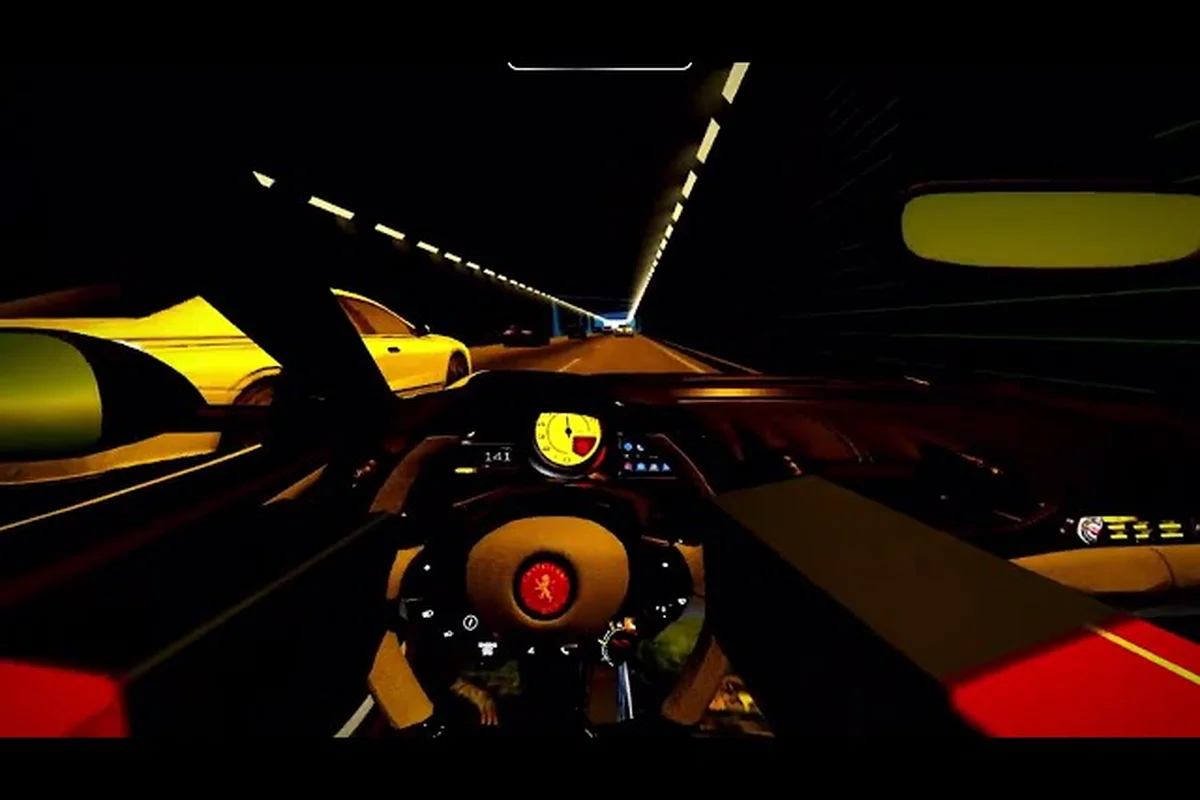
JDM precision machines in Ghost Driver demand a specific camera setup for traffic cutting. Switching to first-person with the V key reduces peripheral vision but tightens your reference point for gap measurement, letting you thread between highway vehicles at redline speeds. The Shift handbrake complements this by initiating a drift that rotates the car's nose into the next gap without scrubbing off excessive speed. New players watching ImSincero's first-impression video often miss this: they stay in chase camera, misjudge closing speeds, and clip rear bumpers. First-person plus Shift-tap drifting is the verified technique for sustained JDM runs.
The eternal debate in Ghost Driver circles comes down to whether the best handling car or the best speed car deserves your credits first. Both archetypes can generate impressive cash flows, but they reward fundamentally different driving approaches. Understanding which one matches your natural tendencies will save you from wasting hundreds of thousands of credits on a vehicle you cannot drive effectively.
Handling-focused cars let you maintain higher cornering speeds, which means you can take tighter lines through traffic without braking as early. This translates into shorter time-to-gap and more opportunities to chain near-misses into combo multipliers. Speed-focused cars instead reward you for finding clean stretches of highway where you can build velocity and bank large distance bonuses before the next traffic cluster forces you to slow down.
| Comparison Point | Best Handling Car | Best Speed Car |
|---|---|---|
| Cornering Speed | High | Moderate |
| Straight-Line Speed | Moderate | High |
| Crash Recovery | Fast | Slow |
| Ideal Traffic | Heavy/Medium | Light/Medium |
| Combo Potential | High | Moderate |
| Skill Ceiling | High | Lower |
The decision matrix above shows why speed cars are often recommended as first luxury purchases for newer players — they are more forgiving because you do not need precise inputs to extract value from them. You simply find open road and let the engine do the work. Handling cars, by contrast, only shine when you actively use their cornering ability, which requires confident traffic reading and clean steering inputs.
That said, the meta shifts as you progress. Veteran players report that handling cars produce better long-term results because they enable the aggressive multi-lane weaving that generates the highest combo multipliers. A speed car might earn you 1,500 credits per run consistently, but a skilled driver in a handling car can hit 2,500 credits on a good run. The turbo upgrade guide explains how tuning amplifies these differences even further, so consider your upgrade budget alongside your driving style when choosing between the two.
Ghost Driver Drag Car and Drift Car Specialists
Ghost Driver Luxury Cars: The 1,000-Like Update Gate
The Ghost Driver luxury car roster is locked behind Tilted Vehicles' update cadence. As of the verified 2026-08-13 API snapshot, the game sits at 901,364 total visits with 27,356 favorites, yet the next "massive update" with new luxury vehicles only triggers at 1,000 Likes on the Roblox game page. This means the current luxury tier is frozen; players grinding for top-tier speed cars must bank cash now, because the meta will shift the moment the Like threshold is crossed. Favoriting the page also counts toward the goal, effectively making every player's garage progression dependent on community voting.
Ghost Driver Classic Cars: The Handbrake Stability Trade-Off
Classic cars in Ghost Driver trade raw top speed for a stability profile that changes how you use the Shift handbrake. While JDM builds require constant drift corrections, classics hold their line through highway traffic with minimal input, meaning the handbrake should be reserved for emergency avoidance rather than corner rotation. Berlian kecil's how-to guide demonstrates this by showing classic cars maintaining momentum through gentle S-curves where a JDM car would need a drift tap. The practical result: classic owners can run longer sessions without the fatigue of micro-corrections, but they must brake earlier when a gap closes, since their heavier chassis cannot rotate mid-commitment like a lighter JDM machine.
Beyond the all-rounders, Ghost Driver luxury cars include specialist vehicles built for one specific purpose: dragging or drifting. These machines make no apologies for their narrow focus — a dedicated ghost driver drag car will embarrass most sports cars in a straight line but struggle in any corner, while a ghost driver drift car can hold impossible slide angles but demands constant input just to drive in a straight line.
Drag cars reward players who master the art of reading traffic far ahead and planning acceleration zones. The strategy is simple: identify a clear stretch, build maximum speed, and bank the distance bonus before the next cluster forces you to brake. Skilled drag drivers learn to thread through light traffic at full throttle, using the car's massive acceleration to close gaps that would be impossible in slower vehicles.
| Specialist Type | Signature Strength | Required Skill | Cash Potential | Risk Level |
|---|---|---|---|---|
| Drag Car | Acceleration | Traffic prediction | High per clean run | High |
| Drift Car | Slide control | Handbrake mastery | High with style chains | Very High |
| Hybrid Tune | Balanced | Adaptability | Consistent | Medium |
Drift cars appeal to a different kind of player — one who values style points and chain multipliers over raw distance. The Ghost Driver scoring system rewards near-misses and sustained drifts, and a dedicated drift build can rack up multipliers that a standard car simply cannot reach. The trade-off is that drift cars are punishing to drive poorly; if you lose the slide, you lose speed, and if you lose speed in traffic, you crash.
Community testing suggests that specialist cars work best as second or third purchases rather than first luxury buys. They require a foundation of core driving skills to extract value, and they punish mistakes more severely than balanced options. If you already own a reliable all-rounder and want to push your earnings higher, a drag or drift specialist can transform your playstyle. For newer players, the best cars guide offers more forgiving recommendations that build toward these specialist machines.
Building Your Luxury Garage: Purchase Order and Strategy
Smart Ghost Driver luxury car purchases follow a logical progression that builds on your existing skills while expanding your capabilities. Rather than buying the most expensive car you can afford, focus on filling gaps in your current garage. A player with only a drag car will struggle in heavy traffic, just as a player with only a drift car will waste time on open highways.
First luxury purchase should always be a balanced all-rounder that matches your current driving style. If you weave aggressively, choose a JDM handling machine. If you prefer smooth, stable runs, pick a classic cruiser. This first car becomes your cash generator, funding all future purchases. Second purchase should address your weakness — if you crash often in heavy traffic, consider a more stable platform; if you cannot build speed on open stretches, look toward a drag-oriented model.
| Garage Stage | Recommended Purchase | Purpose | Budget Priority |
|---|---|---|---|
| First Luxury | Balanced All-Rounder | Consistent cash farming | High |
| Second Luxury | Specialist (Drag/Drift) | Maximize combo potential | Medium |
| Third Luxury | Opposite Specialist | Versatility across traffic | Medium |
| Final Garage | Top-Tier Dream Car | Endgame performance | Low |
The upgrade path matters as much as the car itself. A mid-tier luxury car with full upgrades often outperforms a top-tier car with no upgrades, because the handling and acceleration bonuses compound with your driving skill. Community data suggests that players who upgrade their first luxury car completely before buying a second one earn more total cash than those who spread their budget across multiple unupgraded vehicles.
Your final garage should cover all three traffic scenarios: a handling car for dense traffic, a speed car for open highways, and a specialist for pushing your personal best runs. This versatility ensures you always have the right tool for the current traffic conditions, which translates into consistent earnings regardless of the server you join or the time of day you play.
Frequently Asked Questions
What is the best Ghost Driver luxury car for beginners?
The balanced JDM coupe is the best starting luxury car because its predictable handling forgives early mistakes while its cornering ability teaches proper traffic reading. It accelerates well enough to keep runs flowing and does not punish new drivers as harshly as specialist machines. Upgrade its handling first to maximize your learning curve.
How do Ghost Driver luxury cars compare to mid-tier options?
Luxury cars offer specialized performance advantages rather than universal improvements. A luxury handling car corners sharper than any mid-tier option, but a mid-tier speed car might still beat it on open highways. The value comes from matching the car's specialty to your driving style and the traffic conditions you encounter most often.
Are Ghost Driver JDM cars worth the extra credits?
Yes, for players who prioritize cornering precision and combo building. JDM cars deliver the sharpest handling in the game, which directly translates into longer near-miss chains and higher score multipliers. If you rarely crash but want to push your earnings higher, a JDM machine will amplify your existing skills more than any other luxury category.
Should I buy a drag car or drift car first?
Choose based on your current weakness. If you lose runs because you cannot build speed through light traffic, buy a drag car. If you struggle to maintain combos through medium traffic, a drift car will help you chain slides into multipliers. Both are poor first purchases, so ensure you own a balanced all-rounder before adding either specialist.
How many luxury cars should I own in Ghost Driver?
Three luxury cars cover every traffic scenario: a handling-focused JDM car for dense highway weaving, a top-tier speed car for open stretches, and a drift or drag specialist for personal bests. Owning more than three spreads your upgrade budget too thin, hurting overall performance. Which premium ride matches your style—precision, speed, or drift?